Sloth Laser Cut: A Designer’s Real-World Embroidery Review
As someone who’s stitched hundreds of custom pieces—from boutique baby onesies to Etsy best-selling tote bags—I opened Sloth Laser Cut expecting charm. What I found was more than cute: it’s a quietly versatile, well-proportioned embroidery file that lands somewhere between whimsy and wearability. It doesn’t shout. It leans in. And that makes all the difference when you’re choosing a design for real products—not just digital previews.
First Impression: Soft Shape, Strong Silhouette
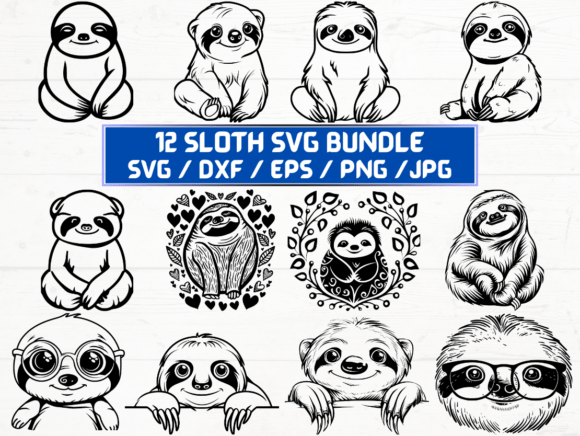
The moment I loaded the SVG into my digitizing software, I noticed how cleanly the sloth’s outline holds up at small scales. No jagged edges, no overcomplicated curves—just a relaxed, rounded posture with gentle negative space around the limbs and face. That breathing room matters. When stitched on a 4-inch hoop (a common size for sweatshirt fronts or pillow corners), the shape reads instantly—even from across a craft fair table. It feels handmade without looking amateurish, playful without tipping into cartoon overload. For a machine embroidery design, that balance is rare.
Real Project Test: A Linen Tea Towel for a Local Kitchen Boutique
I used Sloth Laser Cut as the centerpiece for a limited-run linen tea towel—part of a spring collection for a small shop that sells hand-stitched kitchen goods. The fabric was medium-weight, slightly textured, and light beige. I paired it with soft ecru thread and a lightweight tear-away stabilizer. The result? Crisp satin stitch along the sloth’s outline, clean fill stitch in the body, and zero puckering—even where the arm curved gently over the belly. Customers commented on how “calm” and “intentional” it felt. Not just decorative, but emotionally resonant. That’s the quiet power of this design: it supports your brand voice instead of competing with it.
Where Sloth Laser Cut Shines (and Where It Asks for Thought)
- Custom apparel: Works beautifully on crewneck sweatshirts and relaxed-fit tees—especially when placed off-center or on the sleeve. The sloth’s horizontal orientation avoids awkward vertical stretching on knit fabrics.
- Embroidered patch: Its clean outer edge and moderate detail level make it ideal for sew-on or iron-on patches. No tiny interior elements that vanish when cut or fray at the edges.
- Baby embroidery: Gentle enough for onesies and burp cloths—but avoid dense fill areas on ultra-thin cotton; test stitch density first.
- Holiday embroidery & personalized gifts: Paired with simple monogram initials or a short phrase like “Slow & Sweet,” it becomes a thoughtful, non-seasonal gift—perfect for baby showers, teacher appreciation, or self-care bundles.
- Small shop product: Because it’s offered in SVG, PNG, DXF, JPG, and EPS formats, it adapts easily to both physical stitching and printable mockups for your Etsy listings or Instagram product shots.
Fabric & Fit Notes You’ll Actually Use
On stretchy fabric (like jersey or ribbed knit), use a cut-away stabilizer and reduce stitch density slightly—especially in the sloth’s rounded belly area, where tension can pull threads. On dark fabric, stick with matte thread (not metallic) to keep the soft, grounded vibe intact. Avoid placing it on highly curved surfaces like cap fronts unless you resize it to fit a 3-inch hoop comfortably—the ears and claws hold up well, but fine details compress unpredictably on tight curves.
For thin fabric (think lightweight chambray or gauzy cotton), skip heavy fill stitch layers. Instead, use a combination of satin outline + light running stitch interior—this preserves drape and keeps the finished product feeling luxurious, not stiff.
What This Design Says About Your Craft Business
When your customers see Sloth Laser Cut on a finished product, they’re not just seeing a sloth—they’re sensing intention. It signals that you value quiet craftsmanship over flash, clarity over clutter. That builds trust, especially among buyers who choose handmade over mass-produced. It also reinforces brand consistency if you’re building a cohesive line—say, a set of nursery decor items or a slow-living lifestyle collection. And because the design isn’t overly detailed or trend-dependent, it won’t look dated in six months. That longevity matters for inventory, reorders, and repeat customers.
Practical Designer Notes Before You Stitch
- Always test Sloth Laser Cut on scrap fabric first—especially if using textured or dark material.
- Check thread color contrast in both natural and artificial light. Light gray thread on oatmeal linen reads differently than under store lighting.
- Review stitch density in your embroidery software. If the original file includes dense fill, consider simplifying for delicate fabrics or high-wash items like baby towels.
- Confirm hoop size compatibility. While the shape scales well, extremely small versions (under 2.5 inches wide) may lose definition in the claws or eye detail.
- Inspect small corners and curves in your software preview—look for stitch jumps or unnecessary travel lines that could affect smoothness.
- Test it in black-and-white mockups. Does the silhouette still read clearly? That’s your clue to whether it’ll translate across varied product backgrounds.
- Use proper stabilizer for your fabric type—don’t assume “lightweight” means “no stabilizer.” Even linen benefits from a light tear-away for crisp edges.
- If selling finished items commercially, verify licensing terms. This listing offers multiple file types, but commercial use rights aren’t stated—always double-check before launching an Etsy seller bundle or wholesale line.
Bottom line: Sloth Laser Cut isn’t just another digital embroidery file. It’s a thoughtful, adaptable piece of design assets that earns its place in your working library—not because it’s trendy, but because it works. Whether you’re prepping for a craft fair, building a signature product line, or fulfilling a custom embroidery project for a client, this design supports your skill, your story, and your standards. And in the world of handmade product and craft business, that kind of reliability is worth more than pixels.