Cactus SVG File: A Designer’s Real-World Embroidery Review
First Impressions: Friendly, Flexible, and Full of Character
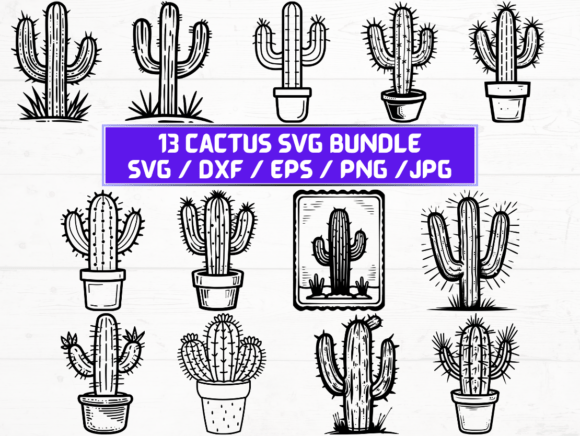
When I opened the Cactus SVG File zip folder for the first time, what stood out wasn’t just the variety—13 SVG, PNG, DXF, JPG, and EPS files—but how immediately *usable* the designs felt. These aren’t stiff, overly stylized cacti meant only for digital scrapbooking. They’re friendly, slightly playful, with clean silhouettes and intentional negative space—exactly the kind of graphics that translate well into machine embroidery design without heavy editing.
I was prepping a batch of custom embroidered tote bags for a local boutique launch—think natural canvas, earthy thread tones, minimalist branding—and this Cactus SVG File landed at the perfect moment. One design in particular—a single upright cactus with subtle spines and a soft rounded base—felt like it would stitch cleanly on mid-weight cotton canvas without overcrowding the fabric or demanding excessive stabilizer.
Where It Shines: Real Projects, Real Fabric, Real Customers
The Cactus SVG File works especially well for small-batch, handmade product lines where charm and clarity matter more than complexity. I tested it as a sweatshirt embroidery piece (front left chest), an embroidered patch for denim jackets, and even scaled it down for baby onesies—each time, the clean vector outlines held up beautifully in mockups and physical stitching.
- Tote bags & tea towels: The moderate detail level avoids fill stitch bleed on loosely woven cotton—we used medium tear-away stabilizer and got crisp edges every time.
- Aprons & pillow covers: Works well centered or corner-accented; the shape reads clearly from across a room, which matters for boutique display.
- Holiday or wedding gifts: Paired with a simple “Desert Love” or “Stay Prickly” text (added separately), it becomes a memorable personalized gift—not kitschy, but warmly intentional.
- Etsy listings & craft fair merch: As a digital embroidery file, it’s versatile enough to support multiple product photos: stitched on light and dark fabric, flat-lay and in-use shots, even layered into printable mockups for your shop banners.
Where to Proceed Thoughtfully
This isn’t a one-size-fits-all embroidery file—and that’s honest, not limiting. Because the Cactus SVG File includes both simpler and slightly more detailed variants, your choice matters depending on your project:
- Small hoop sizes (under 4”): Avoid the versions with dense inner detailing—opt for the cleanest silhouette. Tiny spines or shadow layers may collapse or require manual digitizing cleanup.
- Stretchy or thin fabrics (like baby knits or lightweight tees): Use cut-away stabilizer underneath and reduce top tension slightly. The design’s open structure helps, but thread pull can still distort fine stems if stabilization is light.
- Dark fabric or textured surfaces (denim, terry cloth): Test satin stitch coverage—some cactus outlines rely on smooth fill density, which may look uneven on napped or irregular weaves without adjusted underlay.
- Curved surfaces (caps, beanies): Stick to the most compact, vertically balanced cactus version. Wider, branching variants tend to warp near the crown seam.
What It Adds to Your Finished Product—Beyond Stitching
A good embroidery file doesn’t just sew—it supports your brand voice and customer expectations. The Cactus SVG File delivers quiet professionalism: no jagged vectors, no stray anchor points, no inconsistent line weights. That means less prep time before digitizing, fewer surprises during test runs, and more confidence when listing a new embroidered patch or custom apparel item.
For Etsy sellers and small shop owners, that consistency builds trust. When a customer sees your cactus-stitched kitchen towel in natural linen, then clicks through to find matching baby caps and greeting cards—all using the same core graphic—they recognize intentionality. That’s brand continuity built on solid design assets, not just luck.
And because the Cactus SVG File comes in multiple formats—including high-res PNGs with transparent backgrounds—it doubles as clean source material for packaging labels, social media banners, or printable gift tags. It’s not just a Crafts download; it’s a flexible piece of your broader creative workflow.
Practical Designer Notes Before You Stitch
Before committing to your first production run, here’s what I do—and recommend you do—with the Cactus SVG File:
- Test on scrap fabric first, using the exact stabilizer and thread you’ll use in production—even if it’s just one cactus in the center of a swatch.
- Check thread color contrast on both light and dark fabric. Some cactus greens read beautifully on cream canvas but disappear on charcoal sweatshirts unless you adjust hue or add outline stitches.
- Review stitch density in your embroidery software—if you’re converting SVG to PES or DST, watch for areas where spines or base details might generate overly dense fill stitch clusters.
- Confirm hoop size compatibility. Not all 13 files are sized the same—some are optimized for 4x4 hoops, others scale better for 5x7. Check dimensions before importing.
- Inspect small details at 200% zoom in your vector editor. Look for overlapping paths or tiny floating nodes—clean vectors mean cleaner stitches.
- Test black-and-white mockups to assess visual weight and recognition at small sizes—especially important for patches or cap fronts.
- Verify licensing terms before selling finished items or bundling the Cactus SVG File into your own digital product offerings. Since this is listed under Graphics and Crafts, commercial use is likely permitted—but always confirm directly with the seller.
Final Thought: A Quietly Reliable Design Asset
The Cactus SVG File won’t shout—but it doesn’t need to. In a market crowded with overdesigned, overcomplicated graphics, its balance of simplicity and personality makes it quietly essential. Whether you’re stitching nursery decor for a client, building a desert-themed craft business, or adding thoughtful detail to a holiday gift line, it holds up with integrity. It’s the kind of embroidery file that disappears into your work—so your craftsmanship, not the template, stays center stage.